




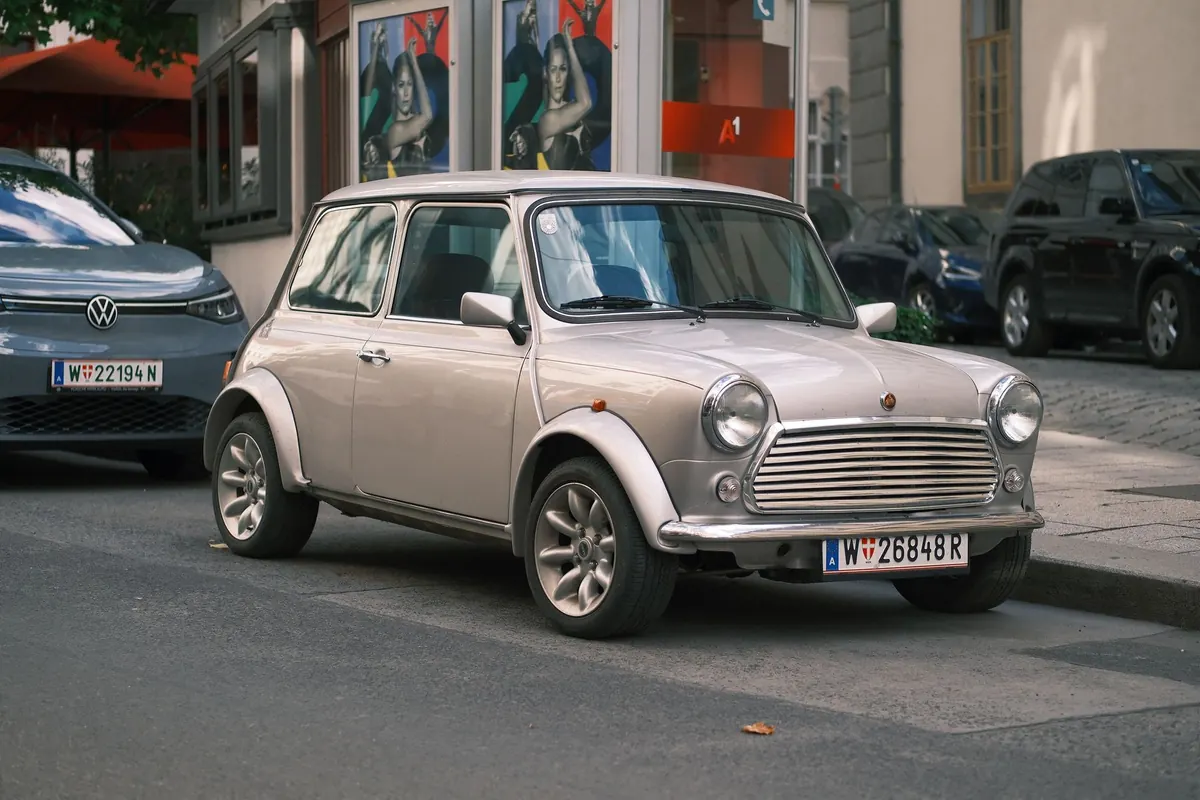
Your first car does not need to impress anyone. It needs to fit the space you park in, cost less to run than you fear, and start on a cold Monday without drama. That is a low bar, yet plenty of first-time buyers clear it in the wrong order: they fall for something shiny on a forecourt, drive it home, and discover it is two centimetres too long for their own driveway.
Get the practical questions settled first and the fun part — choosing a colour, a badge, a stereo — becomes much easier. Here is the order that saves the most regret.
Measure your parking before you measure your ambitions
Start at home, not at the dealership. Measure the space where the car will actually live: the garage, the driveway, or the street bay outside your flat. Note the length and the width, then subtract a little for the fact that you will rarely park perfectly straight. If you park on a narrow street, stand there at the busiest time of day and watch how tightly cars squeeze past each other.
A few things people forget to check:
- Width matters more than length. A car that is 10cm narrower is noticeably easier to get out of in a tight bay, especially with a child seat or a passenger who needs the door open wide.
- Door swing. Tall kerbs, low walls and pillars all punish long doors. Three-door cars often have bigger, heavier front doors than five-door versions of the same model.
- Where you park at work or college. If it is a multi-storey with a tight spiral ramp, that is a daily reality, not an occasional inconvenience.
- Permits and rules. Resident parking zones, height barriers and loading restrictions can rule out a car before you ever sit in it.
What "small" actually means on the road
City cars and superminis get lumped together, but they behave differently. The smallest models — think Volkswagen Up, Toyota Aygo, Kia Picanto territory — are short, light and easy to thread through traffic. Slightly larger superminis such as a Ford Fiesta or a Renault Clio give you a proper boot and a usable back seat, at the cost of a longer nose to judge when parking.
Check the turning circle, not just the length
Turning circle is the number that decides whether a three-point turn becomes a seven-point embarrassment. It varies a lot between cars of similar size, and it is listed in the spec sheet. The easiest way to feel it is to drive the car somewhere quiet and do a full lock-to-lock turn.
Look at visibility from the driver's seat
Modern styling means thick pillars and small rear windows. Sit in the driver's seat, adjust it, and look over both shoulders. If you cannot see much, no reversing camera will fully fix that.
The running costs nobody mentions at the showroom
The purchase price is the easy number. The expensive ones arrive quietly, month after month. Before you commit, work through this:
- Insurance. Get your own quotes on the exact car you are considering, with the exact trim level. Two versions of the same model can sit in very different insurance groups, and your age, postcode and driving history all shift the number.
- Tax. Rates depend on the car's age and emissions, so check the specific vehicle rather than assuming.
- Tyres and consumables. Large alloy wheels look good and cost more: bigger tyres, firmer ride, and more expensive replacement when you kerb one.
- Fuel or charging. If you cannot charge at home, a small petrol car is usually the simpler choice. If you can, do the honest maths on how many long journeys you really make.
- Servicing and repairs. Common models with plenty of aftermarket parts are generally cheaper to keep on the road.
Add a realistic figure for tyres, brakes and the unexpected, then ask whether the monthly total still works. If money is tight, it is worth speaking to an independent financial adviser or your bank before taking on finance — the cheapest car is the one you can still afford when something breaks.
Must-have features for city driving
Trim levels are where budgets get stretched, so decide what you genuinely need before you look at the options list.
- Rear parking sensors or a camera. In tight bays, this is the feature you will use every single day.
- Air conditioning. Demisting on wet mornings, comfort in summer traffic. Look for one that actually blows cold when you test it.
- Decent lights. City streets are badly lit; check dipped beam output if you often drive at night.
- A simple stereo with Bluetooth or USB. Fiddly touchscreens are a distraction. Buttons you can find by feel are safer.
- Split-folding rear seats. This turns a tiny boot into something that can swallow a flat-pack shelf.
- ISOFIX points if children will ever travel in the back.
Nice to have, but not essential: alloy wheels, keyless entry, a panoramic roof. They add weight, cost and things to go wrong.
Test drive it the way you will actually use it
Skip the dealer's chosen route. Ask to drive your own street, your supermarket car park, the tight junction at the end of your road. Park it. Do a three-point turn. Reverse into a bay. Sit in the back seat while someone else drives, and check whether an adult passenger is genuinely comfortable there or merely tolerated. Load the boot with whatever you carry most — shopping, a buggy, a rucksack and gym kit.
Turn the engine on from cold if you can, and listen. Rattle, whine and hesitation are easier to spot before the car has warmed up.
Buying used: condition beats badge
On a used car, paperwork matters as much as paintwork. Check the service history is stamped and consistent, read the last few inspection reports for advisories, and make sure the tyres match in brand and have tread left. Confirm the registration document details match the car and the seller, and run a history check for outstanding finance or insurance write-offs before you hand over any money.
If you are not confident judging mechanical condition, pay a mechanic you trust to inspect it, or use a recognised pre-purchase inspection service. That fee is far smaller than a new clutch.
A simple order of operations
Measure your parking. Set a total monthly budget that includes insurance, tax, fuel and servicing. Shortlist three cars that fit the space and the budget, then get insurance quotes on each before you view anything. Test drive only those three, on your own roads. Inspect the paperwork, arrange a pre-purchase check, and walk away from anything that feels rushed or vague.
Do it in that order and you will end up with a car that suits your street, your wallet and your mornings. That is what a first city car is for.
Photo: Daniel Arora / Pexels
Related posts
More stories you’ll love reading